Grooming and Self-Care: Nurturing Good Habits in Your Child
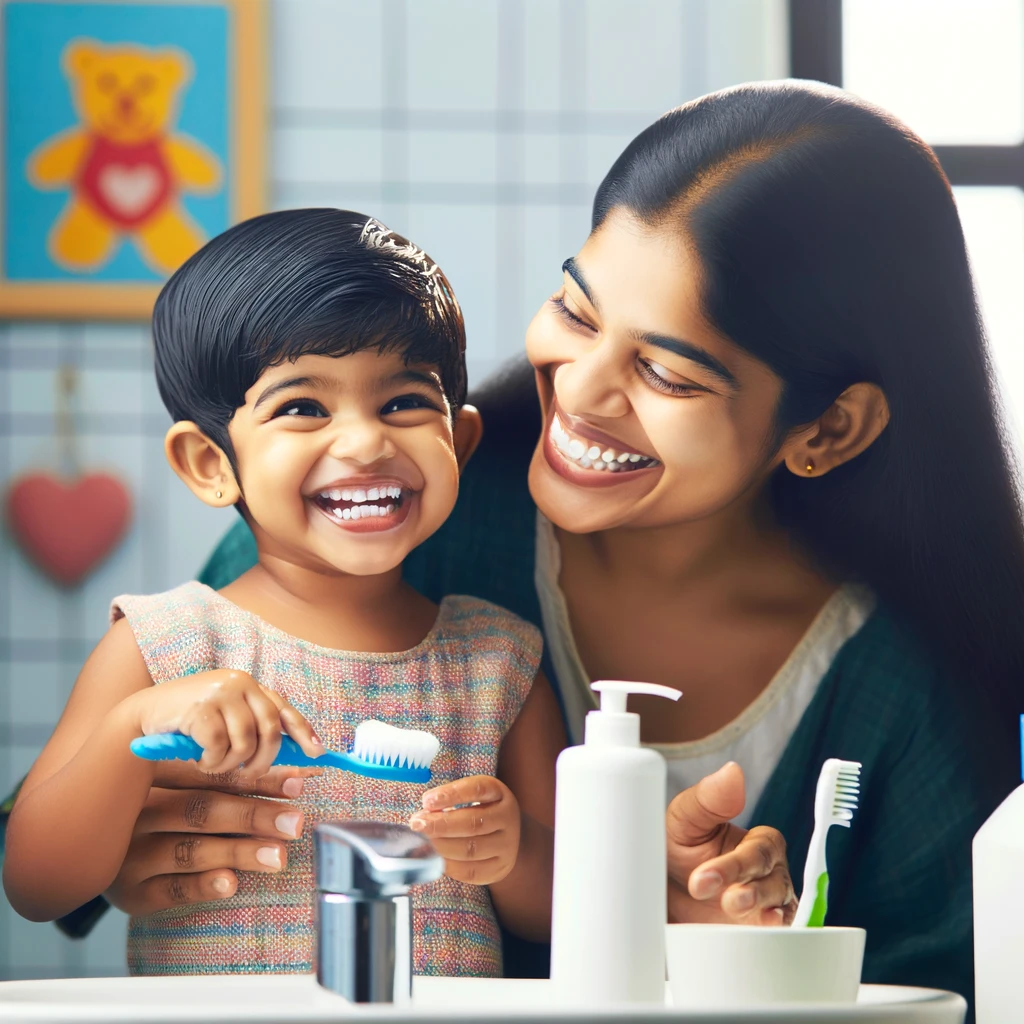
Teaching your child grooming habits is an essential part of their development. These habits not only promote hygiene but also help instill confidence and independence. This section provides insights and practical tips for mothers to teach grooming and self-care effectively.
1. The Importance of Grooming:
Hygiene: Good grooming habits promote cleanliness and prevent illnesses caused by different virus, bacteria and other pathogens.
Independence: Teaching your child to groom themselves fosters independence and self-confidence.
2. Creating a Routine:
Set a Schedule: Establish a consistent grooming routine, such as brushing teeth before going to bed, washing hands before meals etc…
Visual Schedule: Use visual aids like charts or pictures to help your child understand and follow the routine. (eg: a poster on proper hand washing can be displayed near the sink to help the child develop proper hand washing practices).
3. Hand Washing:
Proper Technique: Teach your child how to wash their hands thoroughly with soap and water, especially before meals and after using the wash rooms/ toilets. Ensure they wash hands for at least 20 seconds.
4. Dental Care:
Brushing Teeth: Demonstrate and assist your child in brushing their teeth with a small, soft-bristle toothbrush using child-friendly fluoridated toothpaste.
Regular Dental Check-ups: Schedule regular dental check-ups to ensure oral health.
5. Bath Time:
Supervision: Supervise bath time closely. Especially when your child is learning to wash themselves alone.
Gentle Soaps: Use mild, child-friendly soaps and shampoos to avoid skin irritation.
6. Hair Care:
Brushing Hair: Teach your child to brush their hair daily to prevent problems like head lice, dandruff and hair tangles.
Hair Washing: Show them how to rinse and wash their hair properly. This could encourage them to be independent and do the task alone.
7. Nail Care:
Trimming Nails: Keep your child’s nails trimmed to prevent dirt buildup and potential injury.
8. Dressing Skills:
Laying Out Clothes: Encourage your child to pick out their clothes for the day. This will foster independence in the child.
Putting On Clothes: Teach them how to put on and take off clothes, starting with simple items like shirts and pants.
9. Positive Reinforcement:
Praise Efforts: Praise your child’s grooming efforts to boost their self-esteem.
Model Behavior: Be a role model by demonstrating good grooming habits yourself.
10. Self-Care for You:
Take Care of Yourself: Prioritize your own self-care to model healthy habits for your child.
Teaching grooming and self-care habits to your child is a valuable part of parenting. The tips and insights provided here aim to help mothers guide their children effectively in developing these essential life skills. Adapt these suggestions to suit your child’s individual needs and abilities. By nurturing good grooming habits, you’ll not only enhance your parenting self-efficacy but also set the foundation for a lifetime of hygiene, independence, and confidence for your child.